
Choosing a refrigerated incubator shaker in 2026 is not just about picking a machine that moves and cools samples. Laboratories today demand precision, energy efficiency, data control, and reliability that can support advanced biological, pharmaceutical, and industrial research.
If you are involved in cell culture work, enzyme studies, microbiology, or protein expression, you already know how sensitive your samples can be. Even small fluctuations in temperature or shaking speed can affect results. That is why selecting the right equipment matters more than ever.
This article will highlight the key features you should focus on before making a decision.
1. Stable Temperature Control System
The heart of any refrigerated incubator shaker is its ability to maintain a stable temperature.
Modern systems in 2026 are expected to offer tight control with minimal fluctuation. Even a deviation of ±0.1°C can impact sensitive cultures.
What to look for:
● Wide temperature range suitable for different applications
● Fast cooling and recovery after door opening
● Uniform temperature distribution across the chamber
● Advanced sensors that reduce fluctuation
A good system ensures that your samples behave consistently, which is critical for reproducible results.
2. Advanced Shaking Mechanism with Precision Control
Shaking is not just motion. It is about consistency, orbit stability, and speed accuracy.
A modern refrigerated incubator shaker should provide smooth, vibration-free movement even at high speeds.
Important aspects include:
● Adjustable shaking speed with fine control
● Orbital or linear motion depending on application
● Stable operation at high loads
● Low vibration design to protect sensitive samples
If the shaking is uneven, cell growth or reaction uniformity may suffer. That is why precision engineering is essential.
3. Energy Efficiency and Heat Management
Energy consumption is becoming a major concern in modern laboratories. In 2026, sustainability is no longer optional.
A well-designed system reduces energy waste while maintaining performance.
Look for:
● Smart compressor technology
● Eco-friendly refrigerants
● Insulated chamber design
● Automatic energy-saving standby modes
Efficient heat management not only reduces electricity costs but also improves long-term equipment durability.
4. Smart Digital Controls and Connectivity
Laboratory equipment is becoming more intelligent. A modern refrigerated incubator shaker is expected to integrate digital systems for better control and monitoring.
Key features include:
● Touchscreen interface with simple navigation
● Programmable cycles for different experiments
● Real-time monitoring of temperature and speed
● Data logging and export options
Some advanced models even support remote monitoring through connected systems. This allows researchers to track experiments without constantly being in the lab.
5. Uniform Airflow and Chamber Design
Uniformity inside the chamber is often overlooked, but it plays a huge role in experimental consistency.
Poor airflow can lead to uneven temperature distribution and inconsistent shaking performance.
What matters most:
● Optimized airflow design for even cooling
● Rounded interior corners for better circulation
● Corrosion-resistant chamber materials
● Easy-to-clean interior surfaces
A well-designed chamber ensures that every sample receives the same conditions, regardless of its position.
6. Safety Features and Alarm Systems
Safety is a major requirement in modern laboratory environments. Equipment must protect both the user and the experiment.
A reliable refrigerated incubator shaker should include:
● Over-temperature protection system
● Door open alarms
● Motor overload protection
● Automatic shutdown in case of malfunction
These features reduce risk and protect valuable research work from unexpected failures.
7. Noise Reduction and Vibration Stability
In busy laboratories, multiple instruments run at the same time. Noise and vibration can become a serious issue.
Modern systems are designed with improved insulation and balanced motors.
Benefits of low noise operation:
● Better working environment for researchers
● Reduced mechanical wear
● More stable long-duration experiments
A stable and quiet system also reflects better engineering quality.
8. Load Capacity and Flexibility
Different laboratories have different workloads. Some handle small sample batches, while others require large-scale processing.
Key considerations:
● Flexible platform sizes
● Adjustable clamps and flask holders
● High load capacity without performance drop
● Easy customization for different labware
Flexibility ensures that one machine can support multiple applications, reducing the need for multiple units.
9. Maintenance and Service Accessibility
Even the most advanced equipment needs maintenance. In 2026, manufacturers are focusing more on user-friendly servicing.
Look for:
● Easy-access internal components
● Self-diagnostic systems
● Long service intervals
● Availability of spare parts and support
A system that is easy to maintain reduces downtime and keeps research uninterrupted.
10. Compliance with Modern Laboratory Standards
Scientific equipment must meet strict international standards for safety and performance.
Ensure the system complies with:
● Laboratory safety certifications
● Temperature calibration standards
● Quality manufacturing guidelines
● Data integrity requirements for research environments
Compliance ensures trustworthiness and makes the equipment suitable for regulated industries.
In A Nutshell:
A modern refrigerated incubator shaker is no longer a simple lab device. It is a precision system that directly influences the quality of scientific outcomes. When selecting one, focus on stability, control, efficiency, and intelligent features rather than just basic functionality.
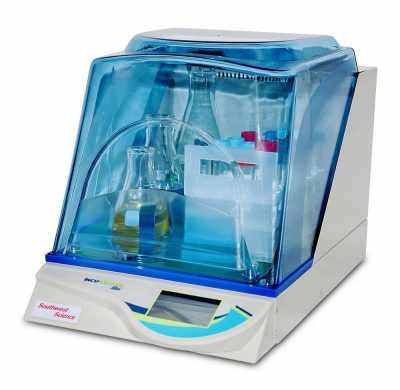
If your work requires smaller setups, compact benchtop incubator shakers can be a practical alternative in controlled environments, but they should still meet the same standards of accuracy and reliability.


Write a comment ...