
A centrifuge is an essential piece of equipment in many laboratories because it helps separate samples quickly and efficiently. However, some samples need more than just spinning power. Temperature control becomes important when working with materials that can change or lose stability due to heat. This is where a refrigerated centrifuge machine becomes useful.
Unlike standard centrifuges, these machines combine centrifugal force with cooling technology. They help maintain controlled temperatures during the separation process, making them suitable for laboratories that handle temperature-sensitive samples.
What Is a Refrigerated Centrifuge Machine?
A refrigerated centrifuge machine is a laboratory device designed to separate sample components while keeping the chamber at a controlled temperature. During high-speed rotation, friction can create heat, which may affect sample quality. The built-in cooling system helps manage this temperature increase.
These centrifuges are commonly used in research, clinical, pharmaceutical, biotechnology, and other laboratory environments where sample conditions need to remain consistent.
A refrigerated centrifuge typically includes:
● A temperature-controlled rotor chamber
● Adjustable speed settings
● Different rotor options for various tube sizes
● Safety features for reliable operation
● Digital controls for monitoring speed and temperature
The combination of separation and cooling allows researchers to process samples while maintaining better control over their working conditions.
Why Temperature Control Matters During Centrifugation
Not every sample reacts the same way during centrifugation. Some materials are sensitive to temperature changes, and even small variations can impact results.
A cooling system helps by:
● Reducing heat buildup during operation
● Helping maintain sample stability
● Supporting consistent test conditions
● Allowing longer centrifugation cycles when needed
For laboratories working with sensitive materials, temperature control can be an important factor when selecting the right centrifuge.
How Does a Refrigerated Centrifuge Work?
The working process is similar to other centrifuges, but with an added cooling function.
The basic steps include:
Samples are placed into compatible tubes and loaded into the rotor.
The rotor spins at a selected speed to create centrifugal force.
Heavier particles move away from the center, while lighter components remain closer.
The cooling system maintains the required chamber temperature throughout the process.
The rotor design, speed, temperature range, and tube capacity all influence how effectively the centrifuge performs for different applications.
Common Applications of Refrigerated Centrifuges
A refrigerated centrifuge machine can support many laboratory tasks where controlled conditions are important.
Common uses include:
● Biological sample preparation
● Research sample separation
● Pharmaceutical laboratory processes
● Protein and molecular research
● Clinical sample handling
● Cell culture and biotechnology applications
Different laboratories may require different rotor types and configurations depending on the samples being processed. Choosing the correct setup helps improve efficiency and ensures compatibility with laboratory needs.
What Makes a Refrigerated Benchtop Centrifuge Different?
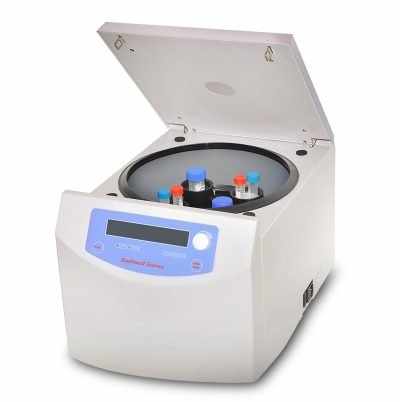
A refrigerated centrifuge benchtop model offers temperature control in a compact design that fits easily into laboratory workspaces. These units provide many of the benefits of larger centrifuges while taking up less bench space.
Benchtop models are often selected by laboratories that need:
● Space-saving equipment
● Reliable sample processing
● Temperature-controlled operation
● Flexible rotor options
● Easy access during daily workflows
While size is smaller compared to floor-standing systems, refrigerated benchtop centrifuges can still provide strong performance for many laboratory applications.
Key Features to Consider Before Choosing a Refrigerated Centrifuge
Selecting the right centrifuge depends on your laboratory requirements. A few important factors can help guide your decision.
1. Temperature Range
Check whether the centrifuge can maintain the temperature needed for your specific samples. Different applications may require different cooling capabilities.
2. Rotor Compatibility
The rotor determines what type and size of tubes can be used. Consider the tube capacity and available rotor options before making a choice.
3. Speed and Capacity
Look at both the maximum speed and the number of samples the centrifuge can handle. A suitable balance between speed and capacity can improve daily workflow.
4. User Controls
Digital displays and simple controls can make operation easier while helping users monitor important settings.
5. Safety Features
Features such as lid locking systems, imbalance detection, and reliable construction help support safer laboratory operation.
How to Maintain a Refrigerated Centrifuge
Regular maintenance helps keep a centrifuge working properly and supports long-term reliability.
Basic maintenance practices include:
● Cleaning the chamber and rotor regularly
● Checking rotors for signs of wear
● Following manufacturer guidelines
● Keeping ventilation areas clear
● Inspecting accessories before use
Proper care can help prevent avoidable issues and keep laboratory processes running smoothly.
Let's Rewind
A refrigerated centrifuge machine is not simply a cooling version of a standard centrifuge. It is a specialized tool designed for laboratories that require controlled temperature conditions during sample separation.
Before selecting a model, consider your sample types, required temperature range, rotor needs, available workspace, and expected workload. A well-matched centrifuge can support accurate processes and improve laboratory efficiency.
Whether your laboratory requires a compact refrigerated centrifuge benchtop unit or a system with specific rotor configurations, focusing on performance, reliability, and application needs will help you make a more informed choice.



Write a comment ...